Blog · Evidence check
Do Brain Supplements Work? 7 Checks Before You Buy NeuroRecall
For healthy adults the proof for memory supplements is limited: large studies of ginkgo and folic acid found no protection, extra B12 mainly helps people who are low, and bacopa gave small effects in small trials. Seven checks on claim, study, dose, safety and next steps help you judge NeuroRecall or any other brand. Extra B12 mainly helps people who run low, and large studies of ginkgo and folic acid found no memory protection.
Written by the Neuro Recall editorial teamMedically reviewed by Dr. Neelum Aggarwal, MD, PhysicianReview date Updated · 8 min read
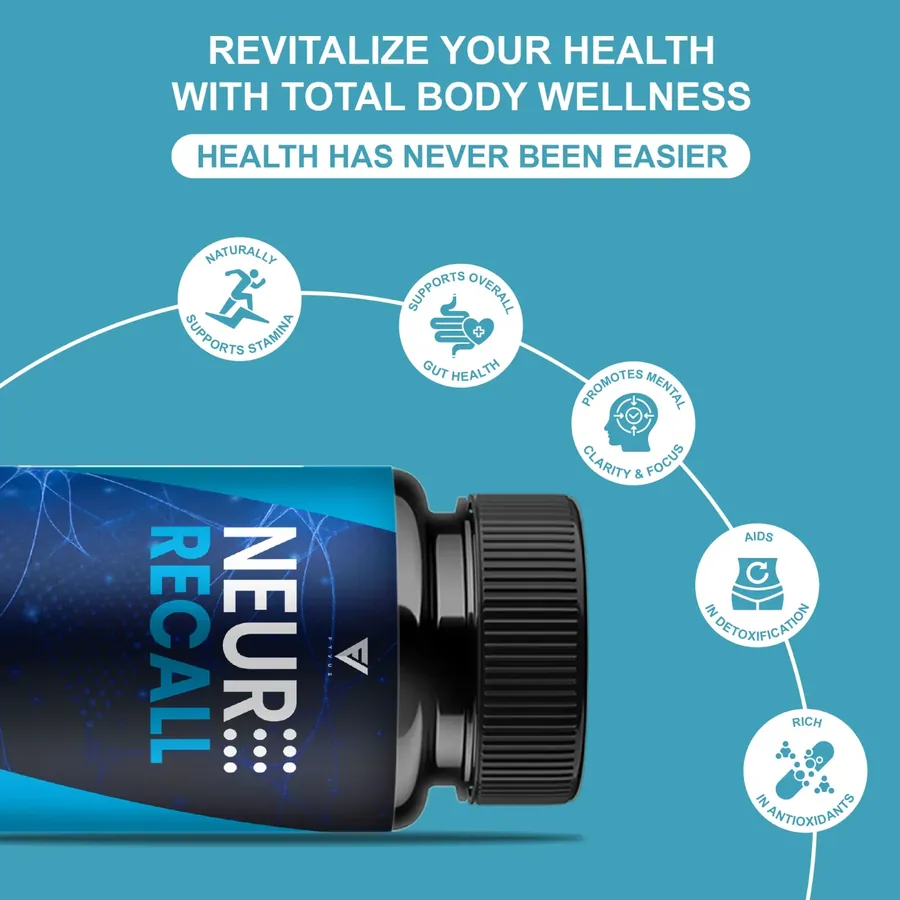
Key facts
Key facts: what the evidence says about brain supplements
- In the GEM study, ginkgo failed to cut dementia. The volunteers were over 3,000 adults of 75 and above, tracked for about 6 years (NCCIH, Ginkgo).
- There is no sign that folic acid improves cognitive function (NIH ODS, Folate). Vitamin B12 helps memory when a person is low, and many adults over 50 absorb it poorly (NIH ODS, Vitamin B12).
- Of all the ingredients, bacopa has the longest trial record. People took roughly 300 mg daily for about 3 months and saw small changes on some tests (ADDF, Bacopa).
- Alpha-GPC was studied only in people with dementia, and lipoic acid in small, mostly uncontrolled dementia trials (ADDF, Alpha-GPC) (Linus Pauling Institute, Lipoic acid).
- Sleeping at least 7 hours and moving for 150 minutes a week have firmer support than any capsule (CDC, Sleep) (CDC, Activity).
- Nobody at the FDA vets a supplement before it goes on sale (FDA, Supplement Q&A), and fake celebrity ads exist.
Check 1
What exactly is the claim?
The same question comes in many shapes: do brain supplements really help, do brain supplements help at all, are brain supplements any good, do memory supplements work, do memory supplements really help and do focus supplements work. Searches about brain supplement scams, brain supplement reddit and brain supplements reddit threads ask it too. Every version depends on the claim, the study and the dose. Focus supplement benefits printed on a box are claims, not results.
Start by reading the claim word for word. Do brain supplements work? That depends on what the label says they do. Support for focus is a soft claim that is hard to test. Prevents memory loss is a disease-style claim, and a supplement may not make it.
Look for the asterisk. On the Neuro Recall panels each benefit line ends with one, and it points to the standard FDA statement that the claims have not been evaluated. That statement is not a flaw. It is a map of what the maker has not proven.
Under FTC guidance, a health claim needs sound scientific backing, and testimonials cannot fill the gap (FTC, Health claims). When you meet a bold promise, ask where the evidence is.
Check 2
Who was studied: healthy adults or people with a disease?
This check explains a lot. Several ingredients were tested in people who already had dementia or a related condition. A result there cannot be assumed for a healthy person with a forgetful week.
Alpha-GPC is the classic case: it was studied in dementia trials, and none exist in healthy people (ADDF, Alpha-GPC). Lipoic acid trials were small and in dementia (Linus Pauling Institute, Lipoic acid). Lutein and zeaxanthin were tested for an eye disease, not for memory (NEI, AREDS2).
So when a product says clinically studied ingredients, ask who the volunteers were. Do memory supplements really work for the people who buy them? For healthy adults, the evidence is thin.
Check 3
Is the dose in the bottle the dose in the study?
A study dose and a bottle dose are different things. Bacopa trials gave participants about 300 mg a day for roughly 3 months (ADDF, Bacopa). Suppose a blend lists bacopa fourth among ten ingredients in a 635 mg total. Then the most it can weigh is under 159 mg.
A product that prints each amount makes this check easy. A product that prints one blend total makes you do the sums, and the sums often show doses far below the studied ones.
Brain supplements with long ingredient lists look impressive on a box. In practice, each extra name shares the same total, so a longer list does not mean more of anything.
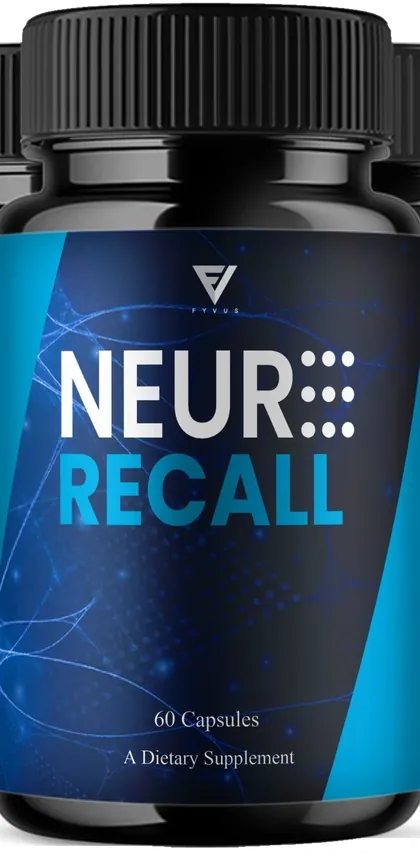
If you decide to test one product, you can read this one's pack options and money-back wording on the live order page first.We earn money when you buy through our order links.
See today's price and guaranteeCheck 4
Was the finished product tested, or only single ingredients?
Single-ingredient research is a starting hint, not a verdict on a capsule that mixes ten of them. Doses, forms and interactions change in a blend. Ask for a trial of the exact formula, with a control group and a published result.
In the Neuro Recall case none exists. That gap is worth asking about for any product, and it is why we keep our language careful: the ingredients have a research record, and the capsule does not.
A court case can also teach caution. Harvard Health covered a ruling against unfounded claims for a memory supplement and advised readers to doubt the benefits that makers tout (Harvard Health, Memory supplement claims). Time on the shelf proves nothing.
Check 5
How big was the effect, and how long did it last?
Effect size matters as much as direction. Bacopa moved some test scores a little and others not at all (ADDF, Bacopa). The long ginkgo study found dementia rates no different from placebo (NCCIH, Ginkgo).
Length matters too. Short trials can pick up small changes on a test, while long trials ask whether real-life decline slows. The longest trials, such as the 6-year ginkgo study, tend to find the least.
This is why the answers to are memory supplements effective and are any memory supplements effective come out as cautious maybes at best. A small change on a lab test is not the same as a better week at work or home.
Check 6
Is it safe with your medicines and your health?
Effects are only half of the picture. Several well-known ingredients clash with prescriptions. Take ginkgo with warfarin and the chance of bleeding may climb (NCCIH, Ginkgo). Berberine pushes cyclosporine and tacrolimus levels up (MSKCC, Berberine). Chromium and lipoic acid may drop blood sugar further in people on diabetes medicine (NIH ODS, Chromium) (Linus Pauling Institute, Lipoic acid).
Are brain supplements safe? Many are well tolerated, but nobody at the FDA vets them first (FDA, Supplement Q&A). That puts the work on you: show the bottle to a pharmacist and ask about each medicine you take.
For a blend like the one in Neuro Recall, pregnancy and nursing are firm no-go areas, and so is age under 18. Keep such products away from children; lipoic acid has poisoned kids who swallowed it (Linus Pauling Institute, Lipoic acid).
Check 7
Have the free basics been done first?
Before you buy any of the brain supplements on offer, run the free list. Protect your sleep first, at 7 hours or more each night (CDC, Sleep). Add brisk movement, about 150 minutes every week (CDC, Activity). Ask your doctor about low B12, the effect of your medicines, low mood and alcohol, all common causes of memory trouble (MedlinePlus, Memory loss).
Sudden changes are different. Confusion, trouble speaking, a drooping face or weakness on one side calls for 911, not a capsule (CDC, Stroke signs).
If you still want to try one after those steps, keep a simple log of sleep, focus and forgetful moments for about 12 weeks. That tells you far more than a review or a promise.
At a glance
Research, label and buying facts behind the seven checks
| Item | What is known |
|---|---|
| Ginkgo | No lower dementia rate in 3,000+ adults aged 75+ over about 6 years |
| Bacopa | About 300 mg a day for about 3 months; small effects; in this capsule under 159 mg |
| Alpha-GPC | Dementia trials only, 1,200 mg a day; in this capsule under 71 mg |
| Vitamin B12 and folic acid | B12 helps when low; folic acid does not seem to improve thinking |
| Trial of Neuro Recall itself | Not published |
| Price | Shown on the live checkout; not published here |
| Guarantee | Money-back; length printed at checkout and not supplied to this site |
Sources
Where do these facts come from?
Each study figure above links to a public health source. They describe single ingredients, not any particular capsule.
- Adult Activity: An Overview. Centers for Disease Control and Prevention, 2023.
- Lipoic Acid. Linus Pauling Institute, Oregon State University, 2026.
- Nutritional Supplements for Age-Related Macular Degeneration. National Eye Institute, 2026.
- Vitamin B12: Fact Sheet for Consumers. NIH Office of Dietary Supplements, 2026.
- Bacopa monnieri: Cognitive Vitality. Alzheimer's Drug Discovery Foundation, 2026.
- Berberine. Memorial Sloan Kettering Cancer Center, About Herbs, 2026.
- Chromium: Fact Sheet for Consumers. NIH Office of Dietary Supplements, 2026.
- Questions and Answers on Dietary Supplements. U.S. Food and Drug Administration, 2026.
- Folate: Fact Sheet for Consumers. NIH Office of Dietary Supplements, 2026.
- Health Products Compliance Guidance. Federal Trade Commission, 2022.
- Ginkgo. National Center for Complementary and Integrative Health, 2026.
- Alpha-GPC (choline alfoscerate): Cognitive Vitality. Alzheimer's Drug Discovery Foundation, 2026.
- Court ruling curbs unfounded claims for memory supplement. Harvard Health Publishing, 2024.
- Memory loss. MedlinePlus Medical Encyclopedia, 2026.
- About Sleep. Centers for Disease Control and Prevention, 2024.
- Signs and Symptoms of Stroke. Centers for Disease Control and Prevention, 2026.
FAQ
Frequently asked questions
Do brain supplements work?
For healthy adults the proof is thin. The big ginkgo studies were negative (NCCIH, Ginkgo), folic acid showed no thinking benefit (NIH ODS, Folate) and B12 pays off mostly when you are low (NIH ODS, Vitamin B12). Bacopa gave small effects in small trials (ADDF, Bacopa).
Are brain supplements effective for memory?
Effects reported in trials are small and not consistent. The best-supported steps are free: sleep, activity and treating causes a doctor can find.
Are brain supplements a scam?
Not all, but the category draws fake celebrity ads and bold claims. Judge a product by its label, its seller and its evidence, not by the promise on the box.
Are brain supplements worth it?
Only if you accept modest, uncertain results and your doctor has cleared your medicines. Work out the cost per day, and use the guarantee window if it does not help.
Do memory supplements really work?
No one can promise they do. Single ingredients have a mixed record, and a finished product needs its own trial. A 12-week log is a fair way to test any one of them yourself.
Are there brain supplements that work for everyone?
No. Where effects appeared they were small, and the evidence for most ingredients is weak. Vitamin B12 is the one clear case: it helps memory when you are low, and a blood test tells you whether you are.
Do memory supplements like NeuroRecall work for everyone?
No. The post explains that evidence is thin for healthy adults, and results in small trials were modest. No trial of the finished NeuroRecall formula has been published, so judge it by the seven checks.
How do I check a NeuroRecall or other brain supplement claim before buying?
Check the claim, the study behind it, the dose used, the proof quality, the safety notes and your next step. If a product cannot pass one check, ask a doctor or pharmacist before you buy.
Which of the seven checks should I do first with NeuroRecall?
Start with the claim itself. Write down exactly what the label or ad promises, then move on to the study, dose and safety checks in order.
Are memory supplements a good fit for everyone?
Not always. Extra B12 mainly helps people who are low, so the seven checks help you see what fits your case.
Who wrote this
Who wrote and reviewed this?
Plain-language pages built from the label, the sales page and linked public health sources.
Last updated . Read our editorial standards and how we check reviews. This website is run by a U.S. merchant that sells Neuro Recall, not by the manufacturer (the label carries the FYVUS logo). We earn money when you buy through our order links.
Verdict
Our view
Our answer to do brain supplements work is a calm no-promise. For healthy adults the evidence is weak, the biggest ginkgo studies were negative and the best herb produced small gains at doses many products do not reach.
That does not make every product a scam. It makes the label, the seller and your medicines the main tests. A fair product says what it cannot do and lets you leave if it does not help.
Put sleep, movement and a checkup first. They are cheaper, they have firmer evidence and they find the causes a capsule would miss.
Neuro Recall is a dietary supplement. It is not FDA approved, and no supplement is. It does not diagnose, treat, cure or prevent any disease. Ask your doctor or pharmacist about your own medicines and health before you take it.
Last updated
Keep reading
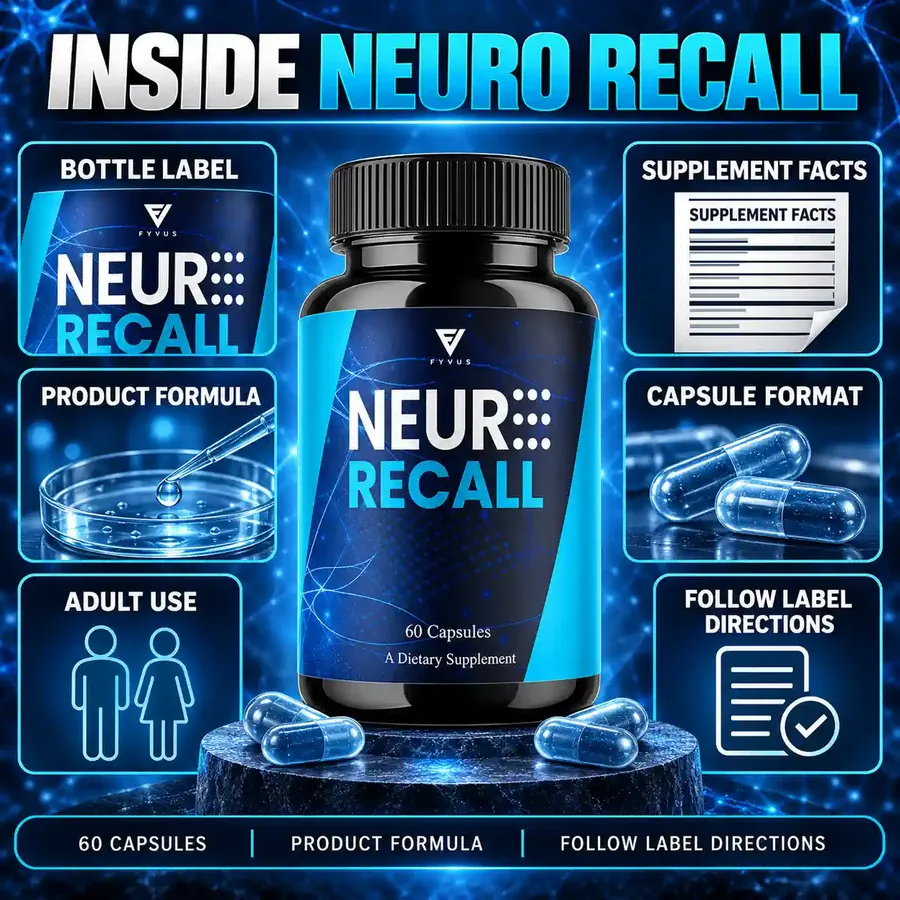
Choosing a supplement
A 10-point checklist for any memory supplement, with Neuro Recall scored against it.
Read more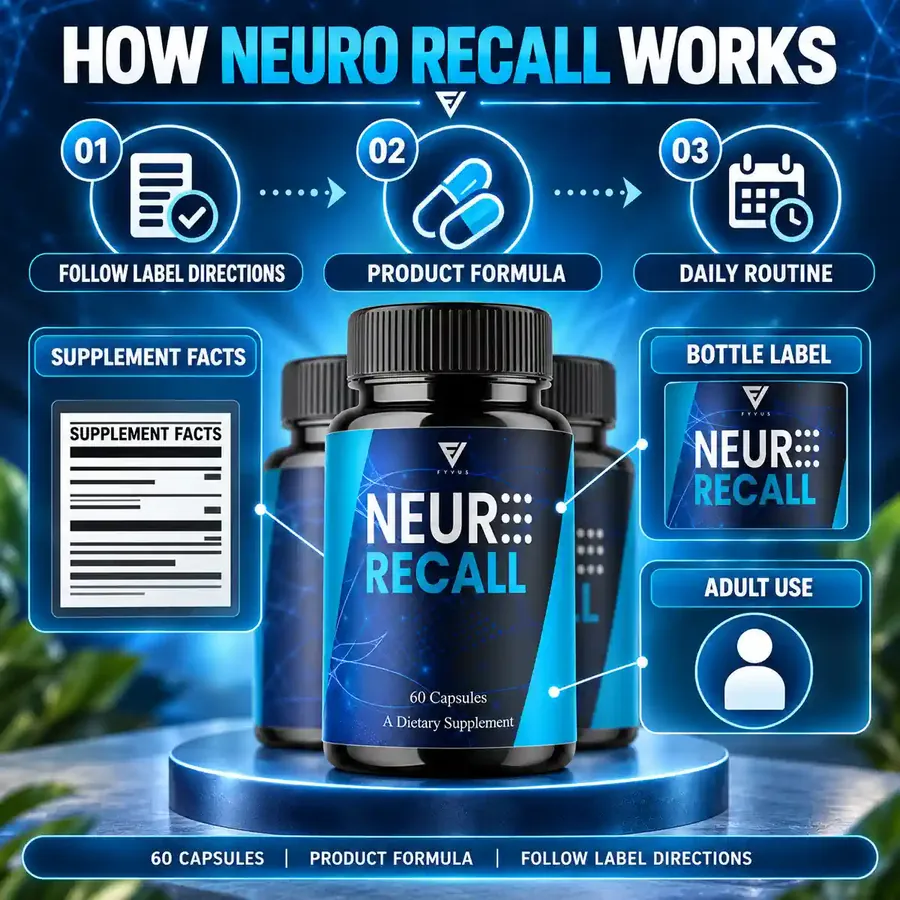
Memory health guide
What is normal, what to rule out, sleep and activity targets and where supplements fit.
Read moreHow it works
What each ingredient is meant to do and why a shared blend limits every dose.
Read moreU.S. authorized Neuro Recall merchant
Want to see the live checkout?
If you still want to test a product after the checks, the live checkout shows what Neuro Recall would cost and how its refund works.
We earn money when you buy through our order links.