Ingredient profile
Magnesium in Neuro Recall: 250 mg of Magnesium Oxide Explained
Two Neuro Recall capsules give 250 mg of magnesium as magnesium oxide, 60% of the Daily Value. That is under the 350 mg a day limit for magnesium from supplements (NIH ODS, Magnesium). The main side effect is diarrhea. Take it apart from some antibiotics and osteoporosis drugs. Our source makes no memory claim for magnesium, and neither do we.
Written by the Neuro Recall editorial teamUpdated
On the label
How much magnesium is in Neuro Recall?
Each serving of 2 capsules contains 250 mg of magnesium from magnesium oxide. The label lists it third, at 60% of the Daily Value.
It is the heaviest amount printed anywhere on the panel. For scale, the whole ten-ingredient blend weighs 635 mg, so magnesium alone equals about 40% of that figure.
| Label name | Magnesium (as magnesium oxide) |
|---|---|
| Scientific name | Magnesium oxide |
| What it is | Mineral |
| Position in the list | 3 of 14 (blend ingredients are listed from most to least by weight; the four vitamins and minerals come first with amounts) |
| Per serving (2 capsules) | 250 mg, 60% DV |
| Amount used in research | Upper limit from supplements: 350 mg a day |
| Strength of evidence | No memory data in our sources |
| Traditional or marketed use | Mineral; 250 mg is under the 350 mg supplement limit |
| Main caution | Can cause diarrhea; take it apart from some antibiotics and osteoporosis drugs. |
Safety limit
Is 250 mg of magnesium oxide too much?
On its own, no. Adults should get no more than 350 mg a day of magnesium from supplements and medicines, and Neuro Recall's 250 mg stays under that line (NIH ODS, Magnesium).
The catch is everything else you take. The 350 mg limit counts all supplement sources together, which leaves about 100 mg of room. Food magnesium does not count toward it.
| Source | Counts toward the limit? | What to check |
|---|---|---|
| Neuro Recall, 2 capsules | Yes, 250 mg | Printed on the Supplement Facts panel |
| Multivitamin | Yes | The magnesium line on its label |
| Antacids and laxatives | Yes, if they contain magnesium | Look for magnesium in the active ingredients |
| Sleep or muscle products | Yes, if they contain magnesium | Many are sold as magnesium supplements |
| Food and drinks | No | Nothing; food magnesium is not limited |
Evidence check
Does magnesium help memory?
Our source does not say it does. The NIH magnesium fact sheet covers needs, food sources, side effects and interactions, and it makes no memory claim (NIH ODS, Magnesium).
People search "magnesium oxide for memory" often, and plenty of websites answer with confidence. We have no reliable finding to pass on, so Neuro Recall's magnesium is best seen as a mineral top-up. It is not a memory ingredient.
Food first
How much magnesium do adults need, and which foods have it?
Adults need 310 to 420 mg a day from all sources, depending on age and sex (NIH ODS, Magnesium). Most of that can come from ordinary food.
Beans and lentils
Black beans, kidney beans and lentils are good sources.
Nuts and seeds
Almonds, cashews and pumpkin seeds add up fast.
Whole grains
Oatmeal, brown rice and whole wheat bread.
Leafy greens
Spinach is the classic example.
Fortified cereals
Check the Nutrition Facts panel for the amount.
Milk and yogurt
Smaller amounts, but eaten often.
The food groups come from the NIH fact sheet. A day built around them often covers much of your need before any capsule.
The form
Is magnesium oxide well absorbed?
It is not among the forms the NIH names as easier to absorb. Its fact sheet lists magnesium aspartate, citrate, lactate and chloride as the forms the body takes up more easily (NIH ODS, Magnesium).
That does not make the oxide useless. It means the 250 mg on the label is not the same as 250 mg reaching your blood. The brand does not explain why it chose the oxide form.
If magnesium is your main goal, a single-mineral product in one of the easier forms may suit you better. Ask a pharmacist which fits your other medicines.
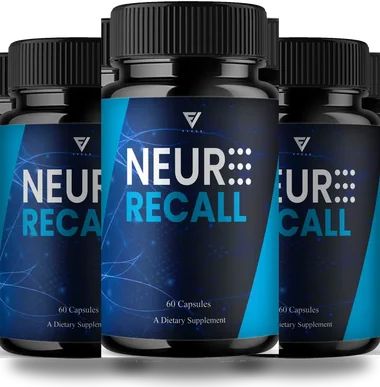
Ready to try Neuro Recall?2 capsules a day · 60 capsules per bottle · price shown at checkout
Order nowSide effects
What are the side effects of magnesium oxide?
Loose stools are the main one. Too much supplemental magnesium can cause diarrhea, nausea and stomach cramps (NIH ODS, Magnesium).
Neuro Recall also contains berberine, which lists diarrhea among its own side effects (MSKCC, Berberine). Two ingredients pulling the same way make a loose stomach more likely in the first days.
- Take both capsules with a meal and a full glass of water.
- Count the magnesium in your other products before you add Neuro Recall.
- If diarrhea lasts more than a few days, stop and call your doctor.
- People with kidney disease should ask first, since the kidneys clear extra magnesium.
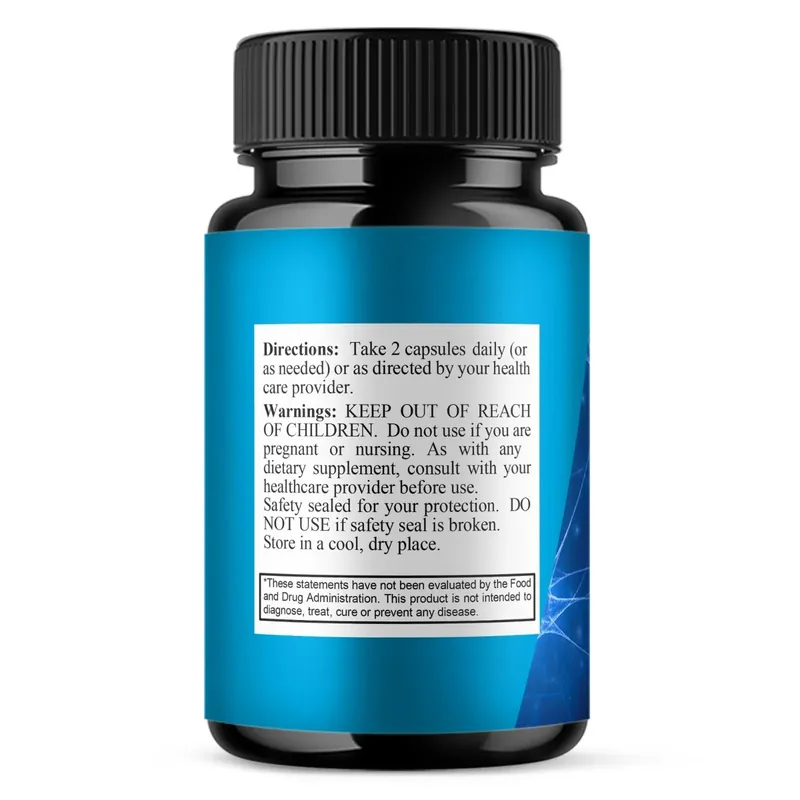
Medicine timing
Which medicines should you take apart from magnesium?
Some antibiotics and bisphosphonates, the bone-loss drugs, are the main ones. Magnesium can reduce how much of these drugs your body absorbs (NIH ODS, Magnesium). Some diuretics also change magnesium levels.
Name your antibiotics
Tell the pharmacist about any antibiotic course, even a short one. They will set a gap between doses.
Check bone medicines
Bisphosphonates have strict timing rules of their own. Fit Neuro Recall around them, not the other way round.
Mention thyroid medicine
Neuro Recall's chromium may reduce levothyroxine absorption (NIH ODS, Chromium), so ask about spacing for the whole capsule.
Keep taking your prescribed medicine on its usual schedule; let the supplement move instead. The how-to-use guide has more on daily timing.
Bottom line
What does the magnesium add to Neuro Recall?
A fully printed, safe amount of a mineral many adults fall short on. It is not a memory ingredient in our sources, it can loosen stools, and it needs spacing from a few medicines. Judge Neuro Recall on its other ingredients and check the next profile.
FAQ
Magnesium in Neuro Recall: FAQ
Can magnesium oxide cause loose stools?
Yes. Diarrhea is the most common side effect of supplemental magnesium, along with nausea and cramps (NIH ODS, Magnesium). Neuro Recall's 250 mg dose is under the 350 mg limit, but berberine in the same blend can loosen stools too.
Can I take Neuro Recall with another magnesium supplement?
Add up the totals first. Supplements and medicines together should stay at or below 350 mg of magnesium a day (NIH ODS, Magnesium). Neuro Recall already uses 250 mg, so most standalone magnesium products would push you over.
Does magnesium interact with antibiotics?
It can. Magnesium can reduce absorption of some antibiotics, so the doses need a gap (NIH ODS, Magnesium). Ask your pharmacist how far apart to take them, and do not skip an antibiotic dose to fit in a supplement.
Can I take magnesium with thyroid medicine?
Ask your pharmacist about timing. Our magnesium source does not name thyroid medicine, but Neuro Recall also contains chromium, which may reduce levothyroxine absorption (NIH ODS, Chromium). Spacing the capsules away from your thyroid pill is a common answer.
What are the benefits of taking magnesium oxide?
It supplies magnesium, a mineral adults need at 310 to 420 mg a day (NIH ODS, Magnesium). Our source makes no memory claim for it. In Neuro Recall it works as a mineral top-up, not as a memory ingredient.
Is magnesium safe with kidney disease?
Ask your doctor first. The kidneys remove extra magnesium, so weak kidneys can let it build up. Neuro Recall's 250 mg dose is moderate, but kidney patients should never add a mineral supplement without approval.
When is the best time to take magnesium?
The Neuro Recall label names no time of day. With a meal is easy to remember. If you take antibiotics, bone drugs or thyroid medicine, let your pharmacist pick the time.
Who wrote this
Written and reviewed by
Plain-language pages built from the label, the sales page and linked public health sources.
Last updated . Read our editorial standards and how we check reviews. This website is run by a U.S. merchant that sells Neuro Recall, not by the manufacturer (the label carries the FYVUS logo). We earn money when you buy through our order links.
Keep reading
More about Neuro Recall
How to use
Neuro Recall dosage, timing, missed doses, storage and a simple 3-month memory and sleep log.
Read moreSide effects
Side effects and drug interactions for all 14 Neuro Recall ingredients, plus liver warning signs and when to stop.
Read more
Vitamin B12
240 mcg of B12 against a 2.4 mcg need: who runs low, how a shortage dulls memory, and the test to ask for.
Read moreU.S. authorized Neuro Recall merchant
Ready to try Neuro Recall?
Pick a pack. Each bottle is 30 days at 2 capsules a day. The order page shows the price, shipping and the guarantee terms before you pay.
- Secure checkout
- Money-back window: As printed on live checkout
- Ships from the U.S. with tracking